In the high-stakes world of modern careers and advanced academics, “time” is the most expensive currency we own. We often hear that to stay fit, we must suffer through grueling, high-intensity workouts that leave us gasping for air. However, for the busy professional or the overworked student, this “no pain, no gain” mentality often leads to burnout rather than fitness. Enter Zone 2 Training—the science-backed method of low-intensity exercise that builds a massive aerobic base without wrecking your nervous system. By focusing on steady-state movement where you can still hold a conversation, you aren’t just burning fat; you are upgrading your cellular machinery for long-term longevity.
The biggest challenge for anyone balancing a 60-hour work week or a heavy master’s thesis is the mental load. When you are drowning in deadlines, the last thing you want to do is spend two hours at the gym. This is where strategic delegation becomes your best friend. Just as you might use a professional service like online assignment help to manage a complex project, using myassignmenthelp for your research needs allows you to reclaim the 4–5 hours a week required for proper Zone 2 sessions. Efficiency isn’t just about working harder; it’s about knowing which tasks to outsource so you can focus on your physical health and high-level strategy.
The Science of Mitochondrial Health
Most people exercise in “No Man’s Land”—too hard to be easy, and too easy to be hard. Zone 2 is different. It specifically targets your mitochondria, the powerhouses of your cells. By staying at a heart rate that is roughly 60-70% of your maximum, you teach your body to become “metabolically flexible.” This means your body gets better at using fat as a primary fuel source instead of relying on limited sugar stores. For a professional, this translates to steady energy levels throughout the day, eliminating the dreaded 3 PM “brain fog” that usually leads to a third cup of coffee.
As we look at the global environment, we see how systems rely on balance to function properly. Much like how The Greenhouse Effect traps heat to maintain Earth’s temperature, a consistent Zone 2 routine traps and utilizes energy within your cells to maintain your internal “climate” and prevents the overheating of your central nervous system. Without this balance, both our planet and our bodies face long-term sustainability issues.
1. How to Calculate Your Zone 2 Without a Lab
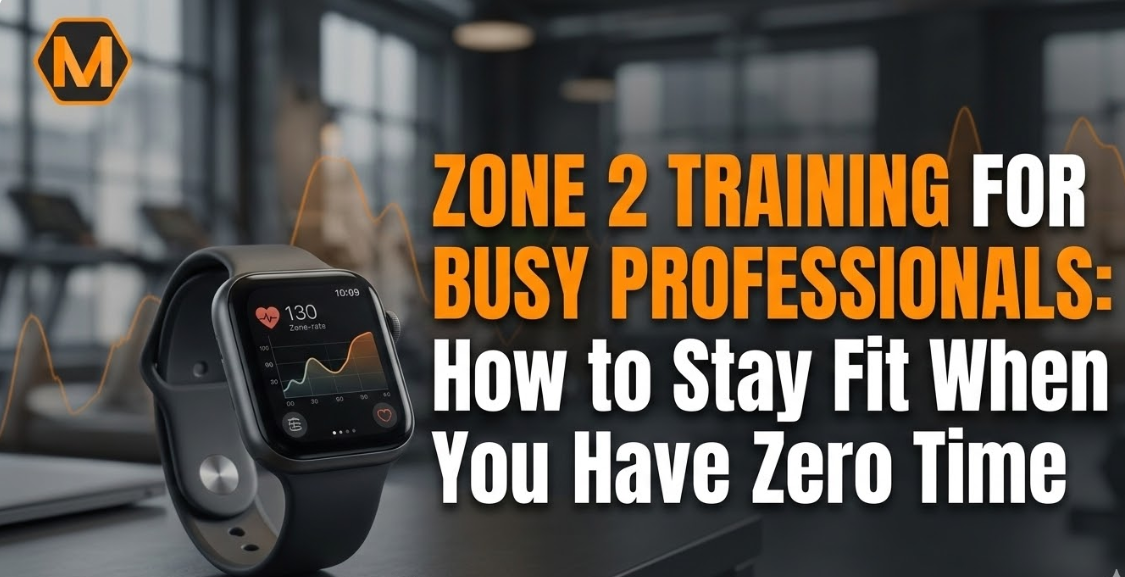
You don’t need an expensive metabolic cart to find your “sweet spot.” For most busy people, the “Talk Test” is the most reliable tool. If you can speak in full sentences but would prefer not to, you are likely in Zone 2. If you are gasping for air, you’ve gone too far into Zone 3 or 4. If you use a wearable like an Apple Watch or a Garmin, look for the heart rate range that feels like a 3 or 4 out of 10 in terms of effort.
2. The “Multitasking” Myth vs. Productive Zone 2
One reason Zone 2 is perfect for busy professionals is that it allows for “low-cognitive” multitasking. Because your heart rate isn’t spiking, your brain stays clear. You can take a 45-minute Zone 2 walk on a treadmill while:
- Listening to an industry-related podcast.
- Conducting a 1-on-1 “walking meeting” with a colleague.
- Reviewing the outline of a dissertation or a major report.
This turns your workout from a “time-waster” into a “productivity-multiplier.”
3. Why Zone 2 is Better for Longevity than HIIT
High-Intensity Interval Training (HIIT) has its place, but it is a “withdrawal” from your recovery bank. Zone 2 is a “deposit.” For someone already dealing with the high cortisol levels of a corporate or academic career, adding more high-intensity stress can lead to systemic inflammation and poor sleep. Zone 2 training actually lowers your resting heart rate and improves your Heart Rate Variability (HRV), which is the gold-standard metric for how well your body handles stress.
4. Integrating Zone 2 into a Zero-Time Schedule
If you truly have “zero time,” you have to look at the gaps in your day.
- The Commute: Can you bike to the office at a leisurely pace?
- The Lunch Break: A 30-minute brisk walk is a perfect Zone 2 “snack.”
- The Evening Wind-down: Instead of sitting on the couch to watch Netflix, use a stationary bike at a low resistance.
5. Nutrition for the Aerobic Base
To support this type of training, your nutrition doesn’t need to be complicated. Since Zone 2 encourages fat oxidation, you don’t need to “carb-load” before your session. In fact, doing a Zone 2 session in a fasted or semi-fasted state can further enhance your body’s ability to burn fat. Stick to whole foods, high protein to protect your muscle mass, and plenty of electrolytes to stay hydrated during your steady-state sessions.
Conclusion: Playing the Long Game
Fitness for the modern professional isn’t about looking like a bodybuilder; it’s about having the energy to lead, the mental clarity to solve problems, and the longevity to enjoy your success. By prioritizing your aerobic base through Zone 2 training, you are investing in your most valuable asset: yourself. Remember, being a “high performer” means knowing when to push, when to move slowly, and when to delegate tasks to experts so you can stay on track.
Frequently Asked Questions
What is the best way to determine my target intensity?
The simplest method is the “Talk Test.” You should be working at a pace where you can comfortably carry on a conversation in full sentences without gasping for air.
How many times a week should I perform this type of training?
For significant cardiovascular benefits and metabolic health, aim for at least three sessions of 30 to 45 minutes per week. Consistency is more important than intensity.
Do I need a gym membership to see results?
Not at all. You can achieve this level of activity through brisk walking, cycling, or even active household chores, as long as you maintain a steady, elevated heart rate.
Can I do this type of exercise on a busy workday?
Yes. Because it is low-intensity, it doesn’t cause excessive sweating or exhaustion, making it perfect for “walking meetings” or active breaks between tasks.