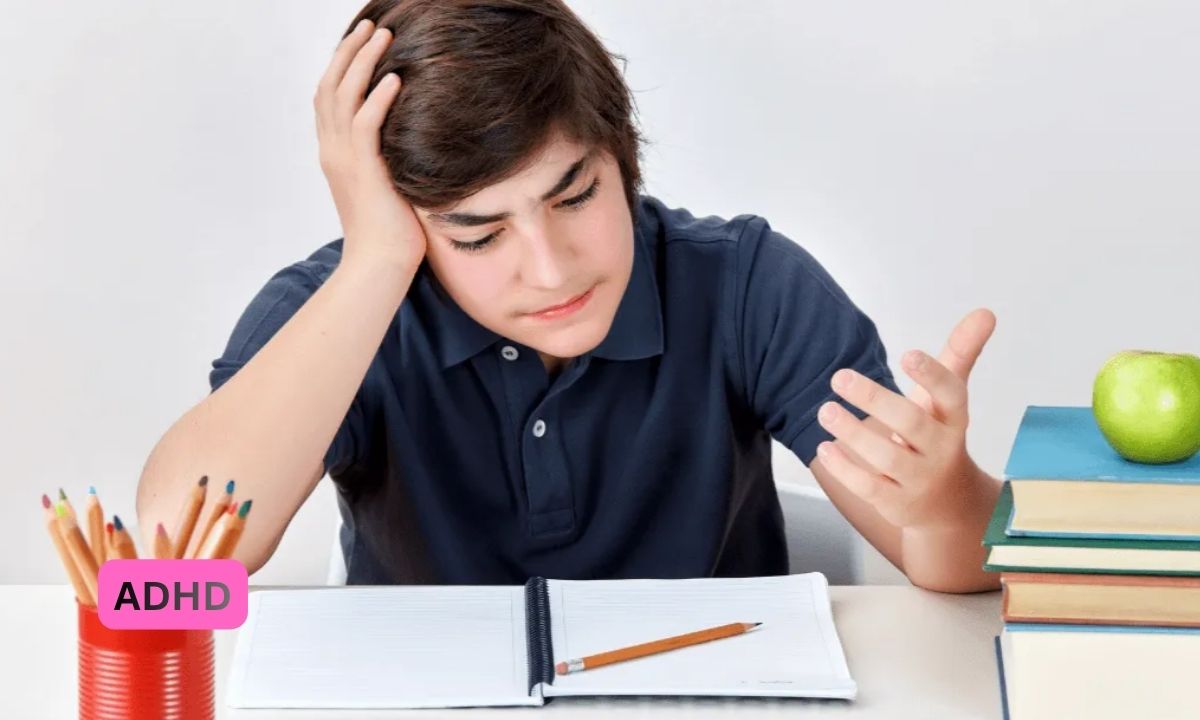
Attention-Deficit/Hyperactivity Disorder (ADHD) affects millions of children worldwide, influencing not only attention and activity levels but also emotional regulation. Many parents notice that children with ADHD can become frustrated, angry, or overwhelmed more quickly than others. Understanding emotional regulation challenges in ADHD can help parents provide better support and create a calmer home environment.
Why Emotional Regulation Is Difficult for Children with ADHD
ADHD affects executive functioning skills in the brain, including impulse control, emotional processing, and self-management. As a result, children with ADHD may:
- React impulsively during stressful situations
- Have sudden emotional outbursts
- Struggle to calm down after disappointment
- Feel overwhelmed by small changes or frustrations
- Experience low frustration tolerance
These emotional responses are not intentional misbehavior. Instead, they are often linked to neurological differences that make emotional control more difficult.
Practical Strategies for Parents
Build Predictable Daily Routines
Consistency helps children with ADHD feel secure and organized. Create structured routines for school preparation, meals, homework, and bedtime. Visual schedules or checklists can also reduce stress and confusion.
Teach Emotional Awareness
Help children identify and name their emotions. Encourage them to use words such as “angry,” “sad,” “frustrated,” or “nervous.” Emotional awareness is the first step toward emotional control.
Stay Calm During Emotional Outbursts
Children often mirror adult behavior. During meltdowns:
- Speak calmly
- Avoid yelling
- Give simple instructions
- Allow cooling-off time
Responding calmly can help reduce emotional escalation.
Encourage Physical Activity
Regular exercise helps improve mood, focus, and emotional balance. Activities such as swimming, martial arts, cycling, or outdoor play can help children release excess energy in healthy ways.
Use Positive Reinforcement
Children with ADHD frequently receive criticism. Praising effort and positive behavior can improve confidence and motivation. Small encouragements can make a significant difference.
Supporting Long-Term Emotional Development
Professional guidance may help children develop stronger coping strategies and emotional skills. Early behavioral support can improve school performance, relationships, and self-esteem.
Families seeking professional ADHD assessment and child mental health support can explore services offered by SeedMedicalHK, which provides individualized care for children experiencing emotional and behavioral challenges.
Final Thoughts
Emotional regulation difficulties are a common but manageable part of ADHD. With patience, structure, and proper support, parents can help children strengthen emotional control and build healthy coping skills that support lifelong success.